Pavers, Patios, and Fire Pits: How to Build an Outdoor Space?
A beautiful patio is not enough. A patio can look great in a picture and still not get used. Maybe it is too hot. Maybe it is too small. Maybe the chairs do not fit. Maybe the path to it feels awkward. Maybe there is no shade, no lighting, or no reason to sit there. The best outdoor spaces feel easy. People know where to walk. They know where to sit. The space feels comfortable at the time of day they want to use it. That is why planning matters before the first paver is set. Pavers, patios, walkways, walls, fire pits, lighting, and plants should work together. When they do, the yard becomes more than a yard. It becomes another room.
Start with the reason for the space
Before choosing pavers or stone, and ask what the space is for. Is it for family dinners? Quiet coffee? Guests? Kids? A fire pit? A grill? A pool area? A place to watch sports outside? The answer changes everything.
A small coffee patio may only need room for two chairs and a table. A family dining patio needs space to pull chairs out. A fire pit area needs safe spacing around the fire. A grill area needs a path, workspace, and a smart place for heat and smoke.
A common mistake is building the hardscape first and trying to make furniture fit later. Flip that. Plan the
furniture and use first. Then size the patio.
Make the patio the right size
A patio that is too small feels cramped. A patio that is too big can feel empty and hot. The goal is balance. Lay out the space with a garden hose, paint, string, or temporary markers. Put chairs in the area if you can. Walk around them. Pretend to carry food from the house to the table. Open the grill lid. Move around the fire pit. This simple test can save a lot of regret. Outdoor space needs room to breathe. People should not have to squeeze around furniture or step into plants to sit down.
Pick pavers for use, not only color
Pavers come in many colors, sizes, shapes, and patterns. But the best paver is not only the one that looks good. It should match the use of the space. For walkways, you want a surface that feels safe and easy to walk on. For patios, you want something that works with furniture and foot traffic. Around pools or wet areas, texture and slip resistance matter. For drive or service areas, strength and base prep matter even more. The base under the pavers is just as important as the paver you see. Poor base work can lead to shifting, sinking, weeds, and uneven spots. Good prep is what keeps the patio looking sharp over time.
Plan drainage before the pretty stuff
Water should not sit on the patio or run toward the home. It should move away in a controlled way. This means slope, grading, drains, and nearby landscape areas need to be part of the plan. If the yard already has water problems, a new patio can make them worse unless the drainage is fixed. Hard surfaces shed water. That water has to go somewhere. Smart drainage protects the patio, the plants, and the property.
Use plants to soften the hardscape
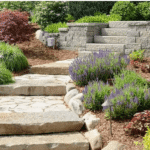
A patio with no plants can feel harsh, especially in hot weather. Plants make hardscape feel natural. They add shade, color, texture, and comfort. You do not need a jungle. A few well-placed plants can make a big difference. Use taller plants for privacy, low plants near edges, and containers for flexible color. Keep plants back from walking paths so people are not brushing through them every time they move.
Think about shade and evening use
In the Sacramento area, shade can decide whether a patio gets used in summer. A space that is perfect in spring may feel too hot in July. Shade can come from trees, umbrellas, pergolas, nearby structures, or a smart layout.
Lighting matters too. Path lights, step lights, accent lights, and patio lighting help people use the space safely after dark. Lighting also makes the yard feel more finished from inside the house.
Fire pit planning basics
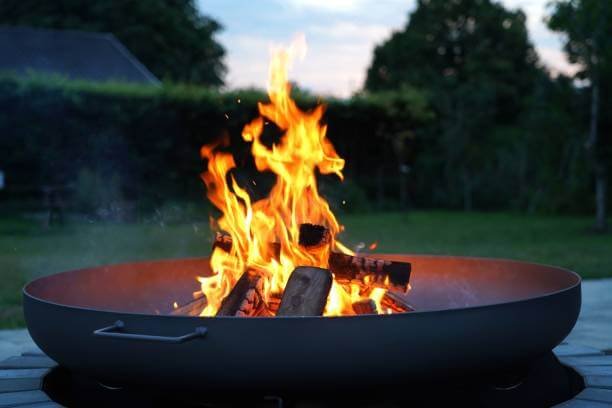
A fire pit can be the heart of a backyard, but it needs space and safety. Think about seating distance, wind, smoke, nearby plants, fences, overhead branches, and local rules. The fire area should feel cozy, not crowded. Also, think about the surface around the pit. Chairs should sit level. People should be able to move around without tripping. If kids or guests will use the space, simple and open is better than tight and complicated.
The best outdoor spaces are easy to say yes to
People use spaces that feel simple. A good path leads there. The seating fits. There is shade or evening comfort. The plants feel clean, and the lighting makes it safe. The drainage works. The space has a clear purpose, which is the real win. Not just a pretty patio. A useful outdoor room that fits daily life comfort. The plants feel clean. The lighting makes it safe. The drainage works. The space has a clear purpose. That is the real win. Not just a pretty patio. A useful outdoor room that fits daily life.